Sea Fish and Sweet-Water River Fish from Bangladesh: A Complete Guide for Global Buyers
Published on May 9, 2026
Introduction
Bangladesh is one of the most fish-rich countries in South Asia. From the Bay of Bengal to the Padma, Meghna, Jamuna, Brahmaputra, and hundreds of smaller rivers, the country has a wide range of fish resources. For local consumers, fish is part of daily life. For international buyers, Bangladesh offers strong opportunities in sea fish, river fish, freshwater farmed fish, shrimp, prawn, crab, and frozen seafood products.
For TigerTrading BD, understanding the different fish types of Bangladesh is important for building trust with importers, wholesalers, restaurants, and seafood distributors. Buyers want to know what type of fish is available, where it comes from, how it is used, and whether it is suitable for export. Bangladesh has both marine fish from the sea and sweet-water fish from rivers, ponds, wetlands, and farms, making it a diverse seafood sourcing destination.
Bangladesh: A Country of Marine and Freshwater Fish
Bangladesh has a strong natural advantage in fisheries because it has both inland freshwater systems and access to the Bay of Bengal. According to Bangladesh's Department of Fisheries, the country has around 260 freshwater fish species and 475 marine fish species. This shows how rich Bangladesh is in both river fish and sea fish resources.
Banglapedia also notes that Bangladesh has many inland and marine fish species, and that hilsa is one of the most culturally and economically important fish because it moves between sea and river environments during its life cycle.
Sea Fish from Bangladesh
Sea fish from Bangladesh mainly come from the Bay of Bengal, coastal areas, and estuaries. These fish are popular in local markets and also have export potential when properly processed, frozen, packed, and shipped.
1. Hilsa / Ilish
Hilsa, locally called Ilish, is the national fish of Bangladesh and one of the most famous fish connected with the country's identity. It is special because it is found in both marine and river environments. Hilsa grows in the sea and migrates to rivers for breeding. Because of its rich taste, soft texture, and strong cultural value, hilsa is popular among Bangladeshi communities at home and abroad. Banglapedia describes hilsa as an anadromous fish that migrates from the sea to rivers to spawn.
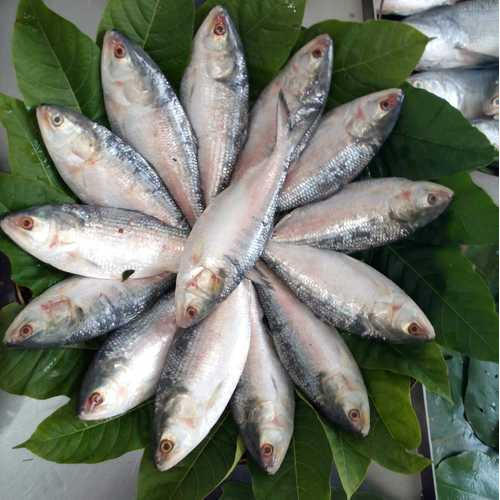
For export, hilsa is usually supplied in frozen form. It is especially attractive to diaspora markets where Bangladeshi, Indian, and South Asian communities have strong demand.
2. Pomfret / Rupchanda
Pomfret, locally known as Rupchanda, is a high-value marine fish from Bangladesh. It is known for its flat body, mild taste, and premium market demand. Pomfret is commonly sold fresh, chilled, or frozen. It is popular in restaurants, hotels, and seafood markets because it is easy to cook and has a delicate flavor.
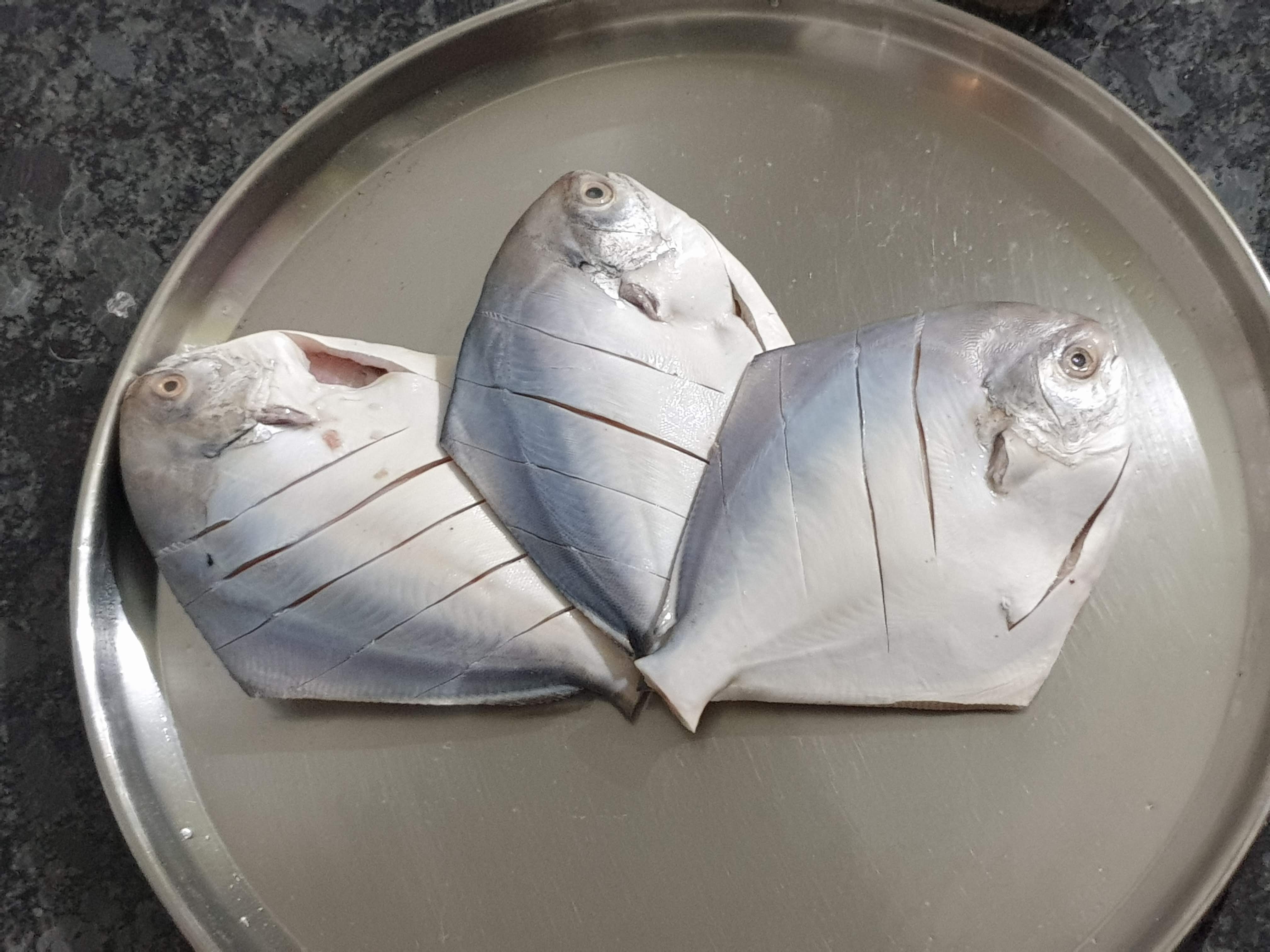
Banglapedia lists pomfret among important marine and estuarine fish groups found in Bangladesh's fishery resources.
3. Bombay Duck / Loittya
Bombay duck, locally known as Loittya, is another common marine fish in Bangladesh. It has soft flesh and is widely used in coastal food culture. It can be sold fresh, dried, or frozen depending on buyer requirements. Dried Loittya is popular among many South Asian consumers because of its strong flavor and traditional use in cooking.
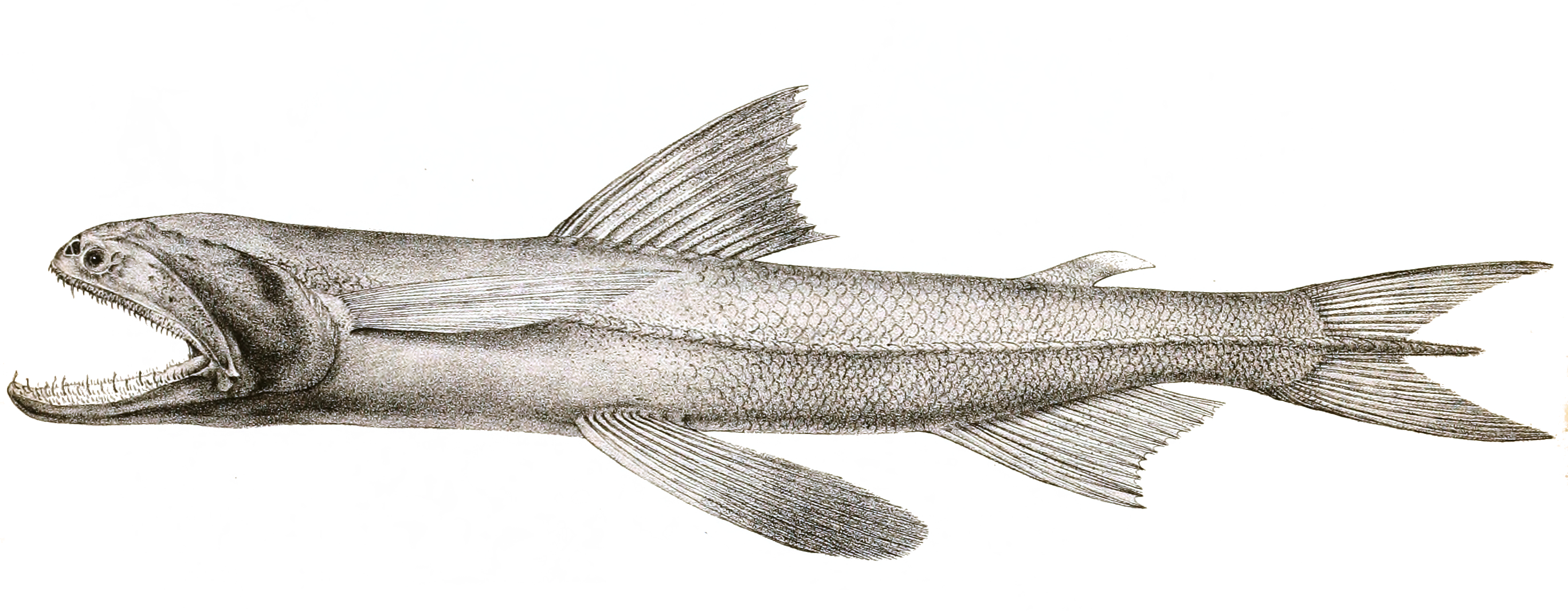
FAO's Bangladesh fishery profile identifies Bombay duck as one of the important marine species in Bangladesh's fisheries.
4. Ribbon Fish
Ribbon fish is a long, silver-colored marine fish found in the Bay of Bengal. It is popular in both local and export markets because of its attractive appearance, taste, and suitability for freezing. Ribbon fish is often exported in whole round, cleaned, or processed form depending on importer needs.
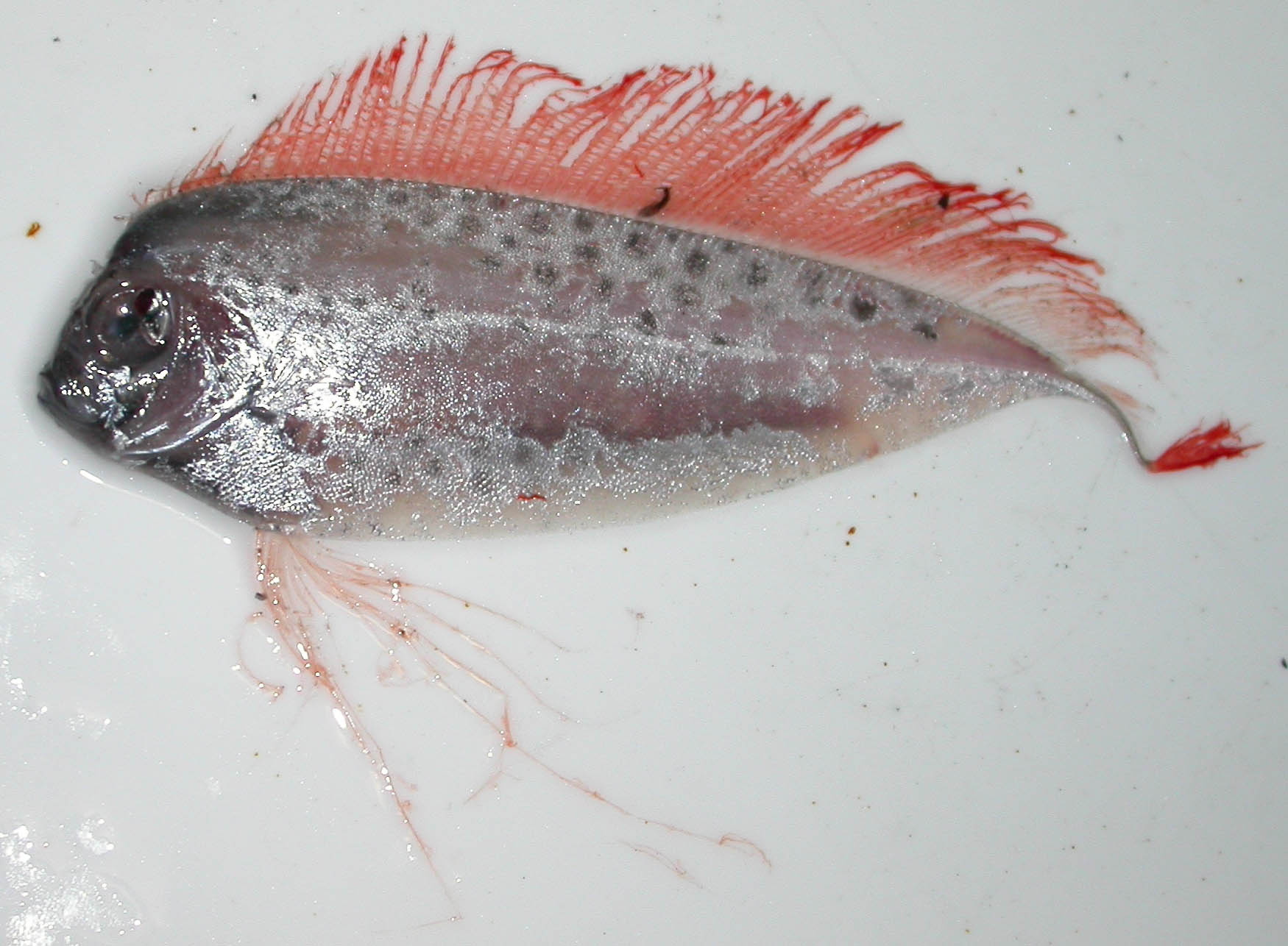
Banglapedia includes ribbon fish among pelagic marine fish harvested in Bangladesh.
5. Mackerel and Sardine
Mackerel and sardine are common marine fish types with good demand in Asian and Middle Eastern seafood markets. These fish are suitable for frozen seafood supply and can be used for retail packs, restaurant supply, or wholesale seafood trade. They are known for their oily texture and strong flavor.

Banglapedia identifies mackerel, oil sardine, and related pelagic fish among Bangladesh's marine fish resources.
6. Sea Bass / Koral and Other Coastal Fish
Sea bass, locally often called Koral or Bhetki depending on the region and species, is a popular coastal and estuarine fish. It is valued for its firm flesh and is used in restaurants, hotels, and premium seafood markets. Other coastal fish such as croaker, catfish, snapper, grouper, mullet, and threadfin are also found in Bangladesh's marine and estuarine fish trade. Banglapedia lists many of these groups as marine, estuarine, or commercially important fish.

Sweet-Water River Fish from Bangladesh
Sweet-water fish means freshwater fish. In Bangladesh, freshwater fish come from rivers, ponds, haors, baors, beels, floodplains, and aquaculture farms. These fish are extremely important for local food supply and are also becoming more important for export.
1. Rui / Rohu
Rui, also known as Rohu, is one of the most popular freshwater fish in Bangladesh. It belongs to the carp family and is widely farmed across the country. Rui has a familiar taste, good market demand, and strong cultural value. It is commonly used in household cooking, restaurants, and wholesale fish markets.

Banglapedia lists Rohu, or Labeo rohita, as a common carp found in the freshwaters of Bangladesh.
2. Catla / Katla
Catla is another major freshwater carp in Bangladesh. It is fast-growing and widely farmed in ponds and other freshwater bodies. Catla is popular because of its larger size and good flesh quality. It is often sold in domestic markets but may also be supplied to export buyers where demand exists for South Asian freshwater fish.

Banglapedia lists Catla, or Catla catla, among the common carps of Bangladesh.
3. Mrigal / Mirka
Mrigal, locally called Mrigal or Mirka, is another important freshwater carp. It is commonly farmed with Rui and Catla in mixed aquaculture systems. This fish is valued for its taste and availability. For buyers looking for traditional Bangladeshi freshwater fish, Mrigal is an important option.

Banglapedia identifies Mrigal, or Cirrhinus mrigala, as one of the common carps available in Bangladesh's freshwater systems.
4. Pangas / Pangasius
Pangas is one of the strongest freshwater farmed fish in Bangladesh. It is popular because it grows quickly, has good production volume, and can be processed for frozen fish markets. Pangas can be supplied as whole fish, fillet, steak, or frozen block depending on buyer demand.
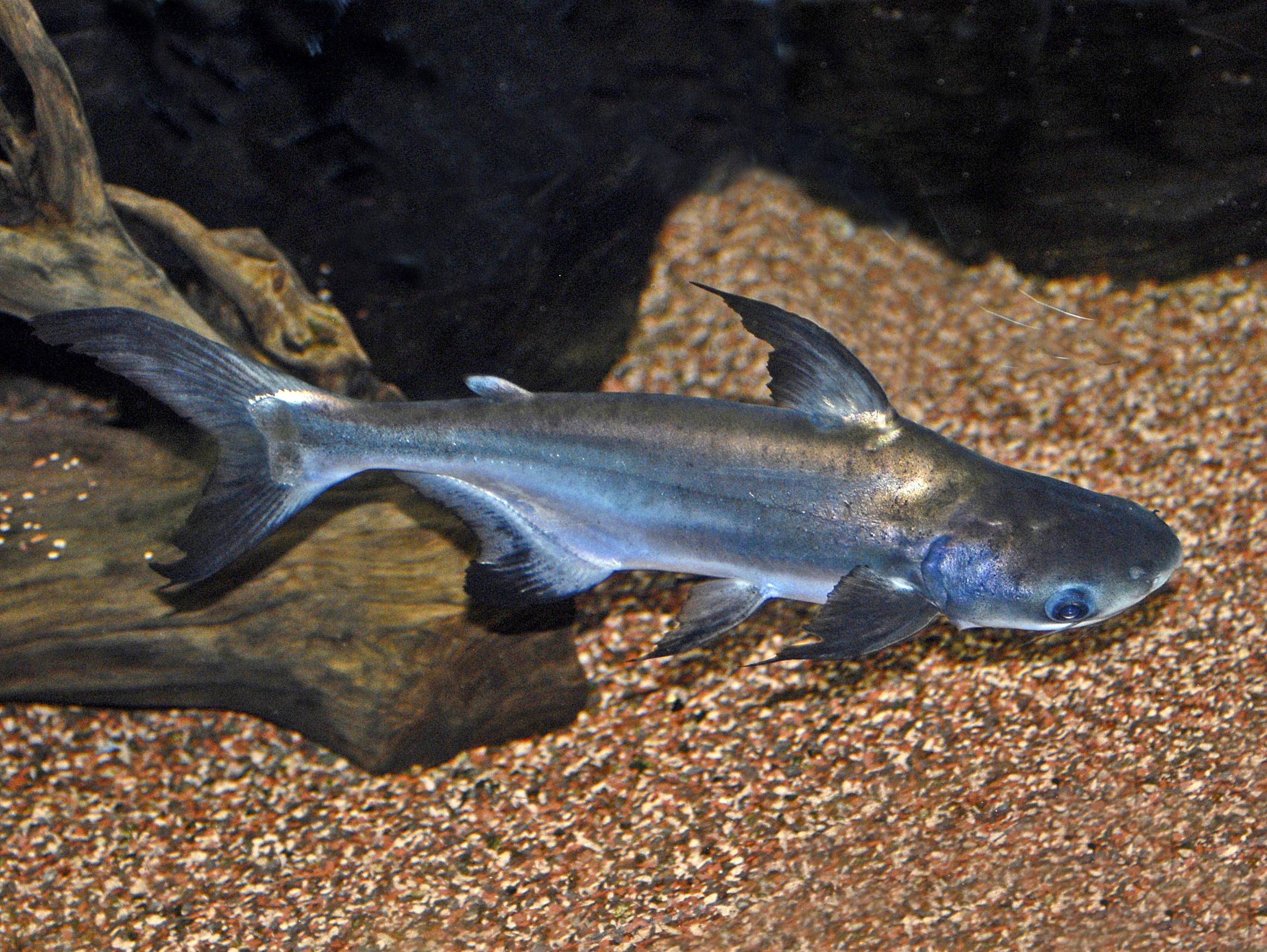
The Export Promotion Bureau's market intelligence portal notes that pangasius is one of the leading farm-cultured species in Bangladesh with high export potential.
5. Tilapia
Tilapia is another important farmed fish in Bangladesh. It is known internationally and is easier for global buyers to understand because tilapia is already popular in many countries. It has mild flavor, firm flesh, and good processing potential. Tilapia can be exported as whole frozen fish, cleaned fish, or fillet.
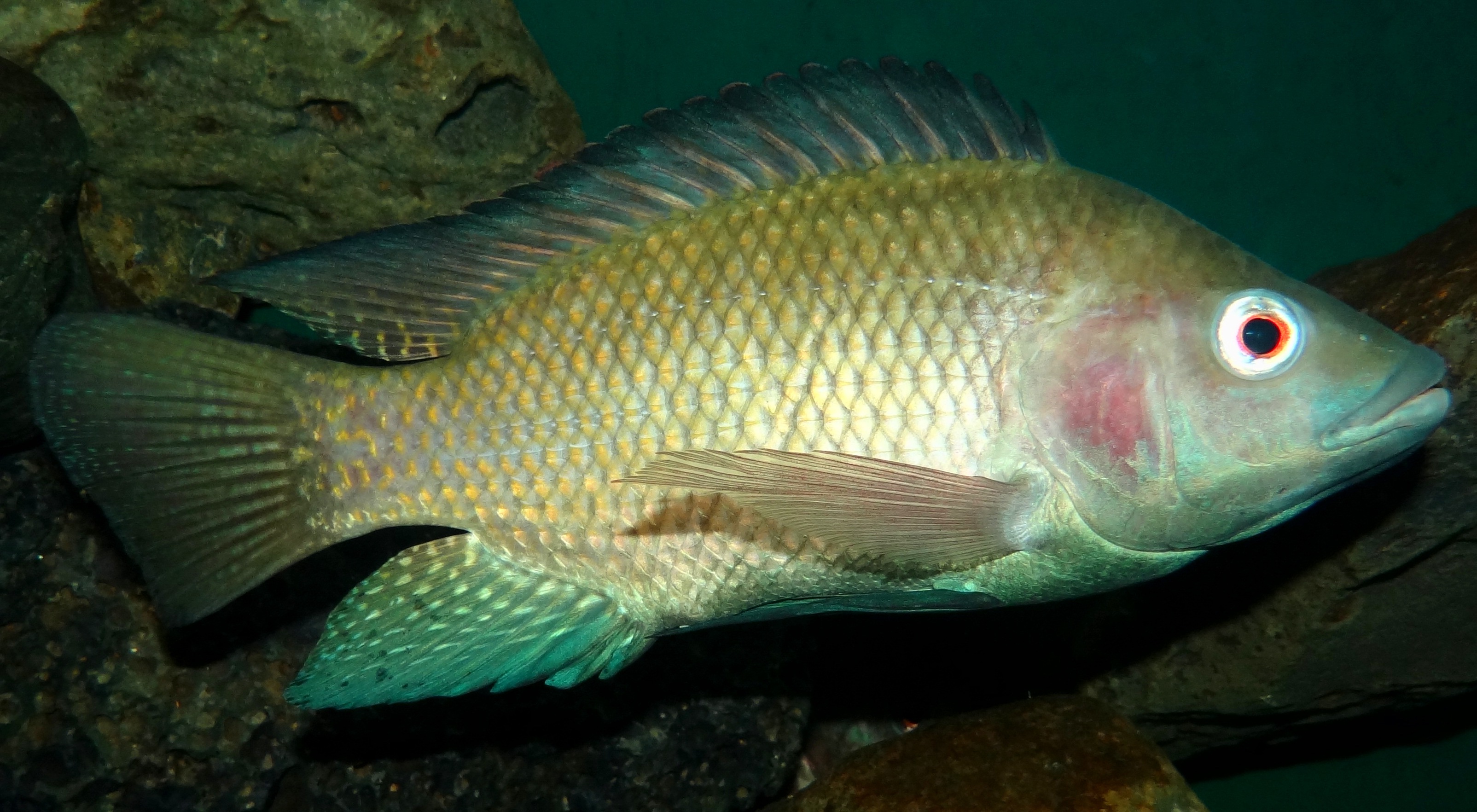
The Export Promotion Bureau also identifies tilapia as a leading farm-cultured species with export potential from Bangladesh.
6. Koi / Climbing Perch
Koi, or climbing perch, is a well-known freshwater fish in Bangladesh. It is popular because of its taste and traditional value. Banglapedia notes that climbing perch is one of the preferred fish in Bangladesh because of its taste.

Koi is usually more popular in domestic and ethnic markets, but it can be supplied to specific buyers who want traditional Bangladeshi freshwater fish.
7. Pabda, Shing, Magur, and Other Native Fish
Bangladesh also has many smaller native freshwater fish such as Pabda, Shing, Magur, Tengra, Mola, Punti, Taki, Shol, Boal, Baim, and Chital. These fish are important in traditional cooking and are highly valued by Bangladeshi consumers. Some of them have strong demand in ethnic grocery stores and diaspora markets.

For export, these fish need careful sorting, cleaning, freezing, and packaging because buyers often require specific size grades and consistent quality.
Export Potential of Sea Fish and Freshwater Fish
Bangladesh's seafood export sector is already known for shrimp, but fish exports also have room to grow. The Export Promotion Bureau states that Bangladesh exports frozen fish, with hilsa being one of the best-known captured fish species, while pangasius and tilapia are leading farmed species with export potential.
For TigerTrading BD, the strongest export opportunities may come from:
- Sea fish: Hilsa, pomfret, ribbon fish, Bombay duck, mackerel, sardine, sea bass, croaker, and other coastal fish.
- Freshwater fish: Rui, Catla, Mrigal, Pangas, Tilapia, Koi, Pabda, Shing, Magur, and other native river fish.
These products can be offered in different forms such as whole frozen fish, cleaned fish, steak cut, fillet, block frozen, IQF frozen, or retail-packed seafood.
Quality Matters in Fish Export
International fish buyers focus on quality, freshness, hygiene, temperature control, packaging, and documentation. Fish must be collected from reliable sources, stored under proper cold-chain conditions, processed safely, and packed according to buyer requirements.
The Export Promotion Bureau notes that Bangladesh's seafood export sector uses food safety and quality assurance systems such as HACCP, BRC, ASC, MSC, BAP, and Halal, depending on buyer and product requirements.
TigerTrading BD can add value by helping buyers find reliable suppliers, select the right fish type, check quality, arrange proper packaging, and support export documentation.